

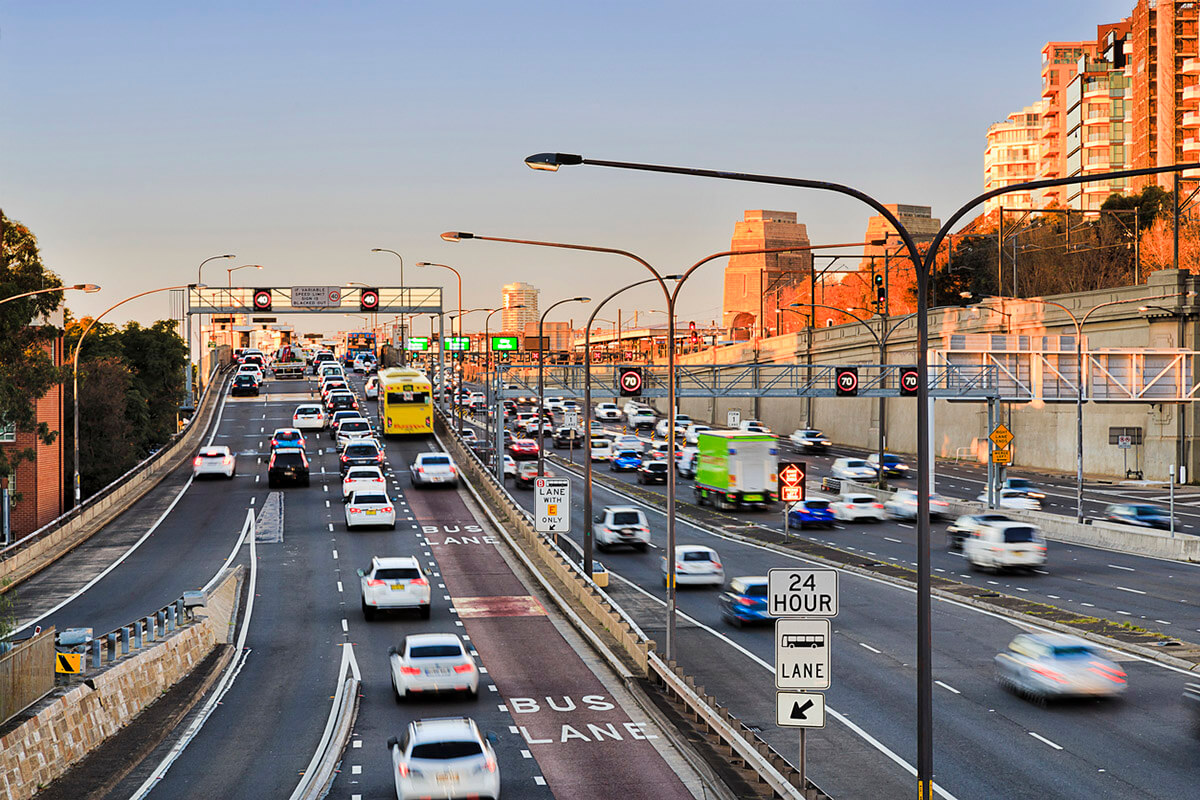
Australia’s vehicle fleet has grown steadily over the past decade, and the mix of cars on our roads reflects a wide range of driving needs.
According to data from the Bureau of Infrastructure and Transport Research Economics (BITRE), registered vehicles across the country continue to increase year on year, with SUVs and light commercial vehicles driving much of that growth. With that variety comes an equally varied spread of transmission types. Everyday commuters tend to gravitate toward automatics, tradespeople often prefer manual gearboxes, and newer small cars frequently come fitted with CVTs or dual-clutch units.
Whether you are planning an upgrade, shopping for your first car, or simply trying to make sense of the options available, understanding the differences between transmission types is genuinely useful. In this post, we will walk through the most common transmission types on Australian roads, what makes each one tick, and which driving situations they suit best.
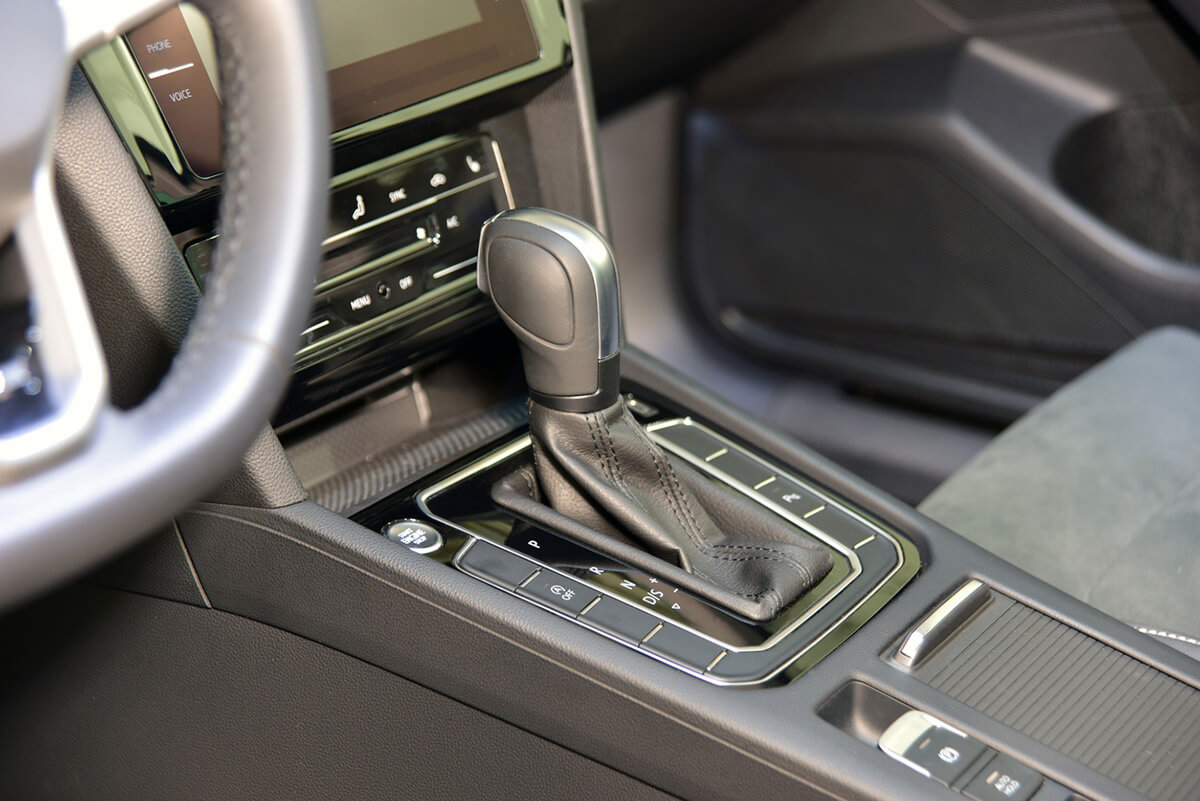
Automatic Transmission
Automatic transmissions shift gears on your behalf, using a combination of hydraulic and electronic systems to select the right gear for your speed and driving conditions. Instead of a clutch pedal, an automatic uses a torque converter to transfer power from the engine to the wheels. The driver selects drive, reverse, or park, and the car handles the rest.
Why Automatics Dominate Australian Roads
The shift toward automatics in Australia has been steady and significant. As reported by the ABC, manual transmissions have fallen sharply out of favour with Australian buyers, and automatics have been the default choice for families, urban drivers, and commercial fleet operators for well over a decade.
The main reason is practicality. In the stop-start traffic common across Sydney, Melbourne, and other major cities, an automatic is simply easier to drive. There is no clutch fatigue, no risk of stalling in heavy traffic, and gear changes are smooth and effortless. For longer highway drives, automatics reduce the cognitive load and keep the driver more relaxed over distance. Most new passenger vehicles, SUVs, and utes now come with an automatic as standard, which means buyers increasingly have no other option even if they wanted one.
If your automatic is showing signs of trouble, automatic transmission repair is best addressed early. Fluid leaks, slipping gears, or delayed engagement are all worth investigating before they become larger problems.
Manual Transmission
Manual transmissions put gear selection in the driver’s hands. You press the clutch pedal, choose a gear with the stick, release the clutch, and the car moves. It is a more involved driving experience, and one that still has a dedicated following among tradespeople, rural drivers, and enthusiasts.
Where Manuals Still Have a Strong Foothold in Australia
While manual cars now represent a small fraction of new passenger vehicle sales nationally, they hold their ground in specific segments.
Data from Drive.com.au shows that manual licence holders remain more prevalent in regional and rural parts of Australia, where utes, farm vehicles, and work trucks are a daily reality. In those contexts, a manual gearbox makes practical sense: they are simpler to service in the field, generally cheaper to maintain, and give the driver direct control when navigating rough terrain or managing a heavy tow. Some performance vehicles still offer manual options too, and there is a growing segment of younger drivers who are drawn to the experience.
Continuously Variable Transmission (CVT)
A CVT does not use fixed gears at all. Instead, it uses two variable-diameter pulleys connected by a belt. By continuously adjusting the pulley ratio, the transmission can keep the engine running in its most efficient range regardless of speed. The result is smooth, stepless acceleration with no perceptible gear changes.
Why CVTs Are a Natural Fit for Fuel-Conscious Australian Buyers
CVTs have become a common choice in small cars and hybrid vehicles across Australia, largely because they help maximise fuel efficiency.
As fuel costs have remained a consistent concern for everyday drivers, manufacturers have increasingly paired CVTs with smaller engines to squeeze more kilometres per tank. You will find them fitted across a wide range of compact cars and hybrid SUVs available on the Australian market. They work best in urban and suburban driving, where smooth low-speed performance matters more than outright power. Some drivers find the sensation unfamiliar at first, particularly during hard acceleration when the engine revs high without a corresponding sense of gear changes, but most adapt to it quickly.
Dual-Clutch Transmission (DCT)
A dual-clutch transmission uses two separate clutch packs working in tandem. While one clutch manages the current gear, the other pre-selects the next one. The result is extremely fast, almost imperceptible gear changes that deliver both performance and reasonable fuel efficiency.
Why DCTs Are Becoming More Common in Modern Australian Vehicles
DCTs started out in European performance cars and sports vehicles, where fast gear changes and driver engagement were the priority. Today, they are increasingly found in mainstream vehicles across Australia, from mid-range hatchbacks through to premium SUVs. Brands like Volkswagen, Audi, and BMW have long used DCTs across much of their range, and Korean manufacturers including Hyundai and Kia have followed with their own well-regarded dual-clutch units.
For drivers who want the comfort of an automatic with a more dynamic feel, a DCT offers a compelling middle ground. One thing worth knowing: at low speeds and in heavy traffic, some DCT models can feel slightly hesitant or jerky. This is a characteristic of the dual-clutch design rather than a fault, but it can catch new owners off guard.
Comparing Different Transmission Types
Each transmission type involves a different set of trade-offs. Here is a practical breakdown of what each one offers, where it falls short, and who is likely to get the most from it.
| Type | Advantages | Disadvantages | Best For | Repair Cost |
| Automatic | Easy to drive; smooth in traffic; suits most drivers | More complex; older models use more fuel | City drivers, families, SUV owners | Moderate to high |
| Manual | Lower running costs; driver control; good for towing | Not ideal for heavy traffic; requires more effort | Tradespeople, rural drivers, enthusiasts | Generally lower |
| CVT | Excellent fuel economy; smooth acceleration; lightweight | Can feel unusual; some reliability concerns in older units | Urban commuters, hybrid vehicle owners | Moderate to high |
| DCT | Very fast shifts; performance feel; good efficiency | Can be jerky at low speeds; expensive to repair | Performance drivers, European car owners | High |
How Gearbox Solutions Can Help
Choosing the right transmission is important, but looking after it properly is just as important. Whether you drive an automatic, manual, CVT, or dual-clutch vehicle, the gearbox needs the right servicing, diagnosis, and repair approach.
No matter which transmission type your vehicle has, the team at Gearbox Solutions has the experience to diagnose and repair it properly. With over 40 years in the industry, we work on automatics, manuals, CVTs, and dual-clutch units across a wide range of makes and models, from everyday family cars to commercial vehicles top-rated EU models.
Our workshop is based in Moorebank, Liverpool, and services customers across Sydney and greater NSW. Whether you have noticed a fluid leak, a hesitation on take-off, an unusual noise under load, or your car simply is not shifting the way it should, the team can pinpoint the issue with a free diagnostic scan and test drive.
Reach out to the best transmission specialist in Sydney today before a small issue becomes a costly repair. Contact our experts here for a quote or call us at (02) 9826 6669 to book your assessment.

