

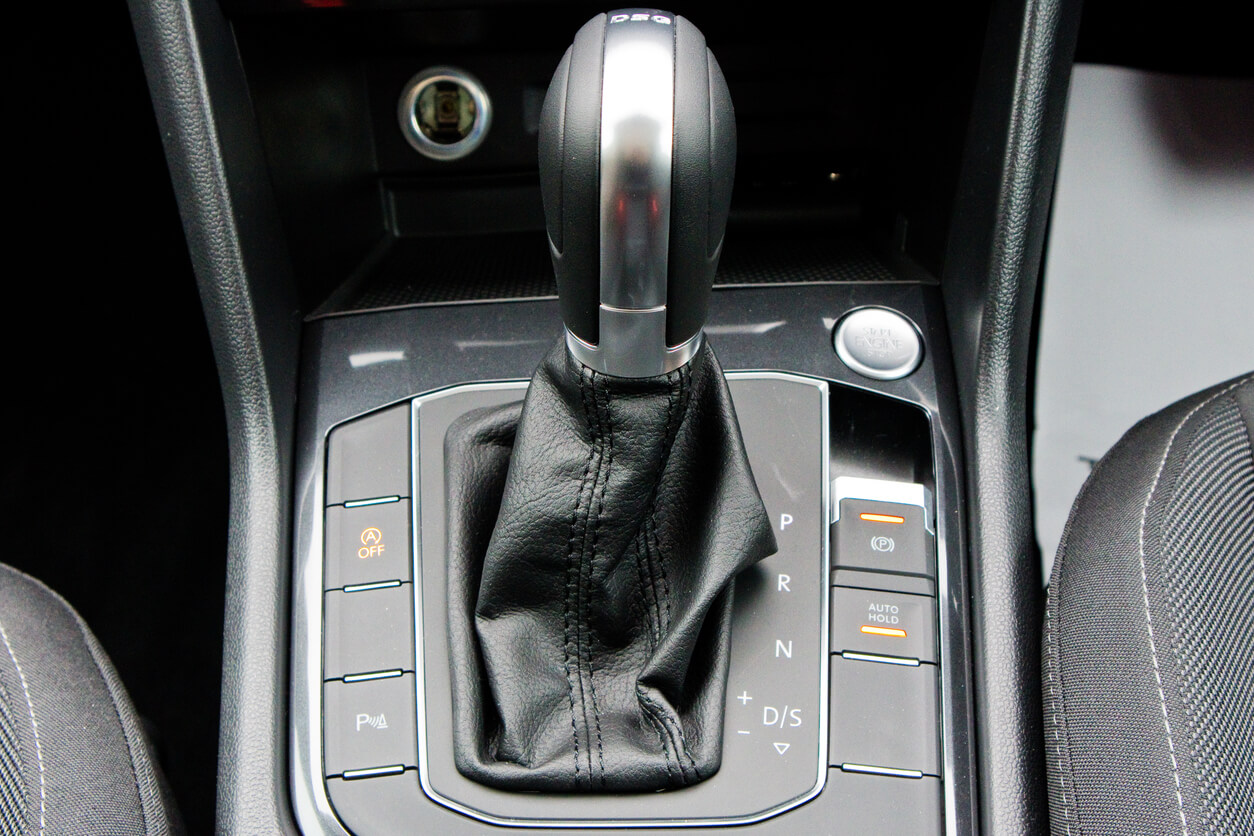
A DSG gearbox can make everyday driving feel smooth and responsive. It is commonly used across Volkswagen Group vehicles, including Volkswagen, Audi and Skoda models, because it shifts faster than a traditional manual while still giving you the convenience of an automatic.
Many owners also appreciate how efficient it is on fuel, and most of the time it does its job well. Like any complex system, though, it can start to struggle, and the trouble usually begins with small changes in how the car drives that are easy to brush off.
In this post, we will walk you through how a DSG gearbox works, the most common DSG gearbox problems to watch for, and what you can do to keep yours running smoothly for longer.
How a DSG Gearbox Works
DSG stands for Direct Shift Gearbox. It is a type of dual-clutch transmission, which means it uses two clutches instead of one. Engineering studies of dual-clutch transmissions describe how this design pairs two separate clutch systems with electronically controlled gear changes to improve both efficiency and shift speed.
Think of a DSG as two manual gearboxes sitting side by side inside one housing. One half looks after the odd gears (first, third, fifth and seventh), and the other half handles the even gears and reverse. Each half has its own clutch.
While you are driving in one gear, the gearbox has already linved up the next one on the other side. When it is time to change, one clutch lets go as the other engages, so the shift happens in a fraction of a second. A computerised control unit, known as the mechatronic unit, decides when to change and controls both clutches using hydraulic pressure and electronic signals.
Some DSG units use wet clutches that sit in oil, which suits higher-torque engines. Others, like the seven-speed version found in many smaller VW models, use dry clutches. Both designs work well, but they depend heavily on the clutches and the mechatronic unit staying in good condition. That level of electronic control is also why faults need accurate diagnosis from a DSG specialist rather than a general workshop.
Signs of a Failing DSG Gearbox
Because so much of the DSG relies on precise timing, even a small fault can change the way your car feels on the road. Below are the signs our team sees most often.
Jerking or Shuddering
A shudder when pulling away from a standstill, or a jerk at low speeds in traffic, is one of the most reported DSG transmission problems. It often points to worn clutch packs or a clutch that is no longer engaging evenly. You might notice it more in stop-start traffic, on a slight incline, or when reversing into a parking space.
Delayed Engagement
When you move the selector into Drive or Reverse, the car should respond almost straight away. If there is a noticeable pause before it engages, or the car rolls before it starts to pull, the gearbox may be having trouble building hydraulic pressure or controlling the clutches properly.
Harsh or Confused Shifts
A healthy DSG shifts so smoothly that you barely feel it. If changes start to feel like a thump, or the gearbox seems unsure which gear to pick, hunting up and down at certain speeds, something inside is not working as it should. Mechatronic faults, worn clutches and sensor issues can all cause this kind of behaviour.
Warning Message or Limp Mode
Many VW Group cars will show a gearbox warning on the dash, sometimes with a flashing PRNDS display, when the system detects a fault. The car may then go into limp mode, where it locks itself into one gear and limits power to protect the gearbox from further damage.
If your car shows a transmission warning light, we recommend keeping your driving to a minimum straight away and contacting a DSG transmission specialist as soon as you can. Continuing to drive can turn a repairable fault into a much bigger job.
Fault Codes Linked to Transmission Control
Sometimes the car will feel almost normal, yet a diagnostic scan shows stored fault codes related to the transmission control system. These codes can point to problems with clutch pressure, gear position sensors, solenoids or the mechatronic unit itself. A code alone does not tell the full story, so it should always be followed by a proper inspection.
What Happens If You Ignore the Signs
A DSG that is starting to struggle will usually get worse with time. Worn clutches put extra strain on other parts, and a failing mechatronic unit can cause erratic shifting that wears the gearbox further. In some cases, the car may stop being able to select gears at all, which can leave you stranded.
Acting early gives you more options. A fault caught at the start can often be fixed with a targeted repair, whereas a gearbox that has been driven for months with problems is more likely to need a full rebuild.
The way a car is driven also plays a part. Research into dual-clutch transmission behaviour links harsh shifting and aggressive driving with greater clutch wear, which can shorten the life of the gearbox well before its time.
Trust Local Professionals to Fix Your DSG Gearbox
A DSG is a specialised piece of engineering, and it needs the right diagnostic equipment and experience to repair properly. Working with a DSG gearbox specialist means the fault is found accurately the first time, rather than parts being swapped in the hope that one of them fixes the issue.
At Gearbox Solutions, our transmission professionals start with a full assessment of your vehicle. We scan for fault codes, check the condition of the clutches and the mechatronic unit, and road test the car where it is safe to do so. Once we understand what is going on, we explain the findings in plain language and recommend the best path for your car, whether that is a repair, a clutch pack replacement, mechatronic work or a complete rebuild.
As an experienced Volkswagen specialist, our workshop in Liverpool looks after DSG-equipped vehicles from across Western Sydney and the wider Sydney area. Every repair is matched to the actual fault, so you only pay for the work your gearbox needs.
If you have been searching for a DSG transmission specialist near me because your car is jerking, shuddering or showing a warning light, our team is here to help. Call us today or request a quote online, and we will get your vehicle booked in for an assessment.
Frequently Asked Questions
DSG gearbox failure can be caused by clutch wear, mechatronic unit faults, poor maintenance, contaminated gearbox oil, overheating, electrical issues or internal mechanical wear. The exact cause should be confirmed through diagnosis rather than relying on symptoms alone.
Yes. Wet-clutch DSG units need regular fluid and filter changes at the intervals set by the manufacturer. Dry-clutch versions have different requirements, so it is worth checking your service schedule or asking a Volkswagen transmission specialist what applies to your car.
It depends on the fault and the overall condition of the gearbox. A single failed component, such as a clutch pack or mechatronic unit, can often be repaired on its own. If wear has spread through several parts, a rebuild may be the more reliable long-term option. A proper diagnosis will show which approach suits your car.


